Other Services
Recycling and eco-friendly disposal, sorted before it's disposed
Metal, e-waste, and recyclable material routed correctly, so less of what we haul ends up in a landfill.
Sorted on every job
Not an add-on you have to request
Metal & e-waste routed correctly
Sent to appropriate recyclers
Responsible partners
For materials that need special handling
What it is
What eco-friendly disposal actually means
Recycling and eco-friendly disposal means sorting what's hauled before deciding where it goes, metal, electronics, and recyclable material routed to the right facility instead of one undifferentiated load to the landfill. It's the same sorting principle behind donation pickup, applied to material that can't be donated but doesn't need to be wasted either.
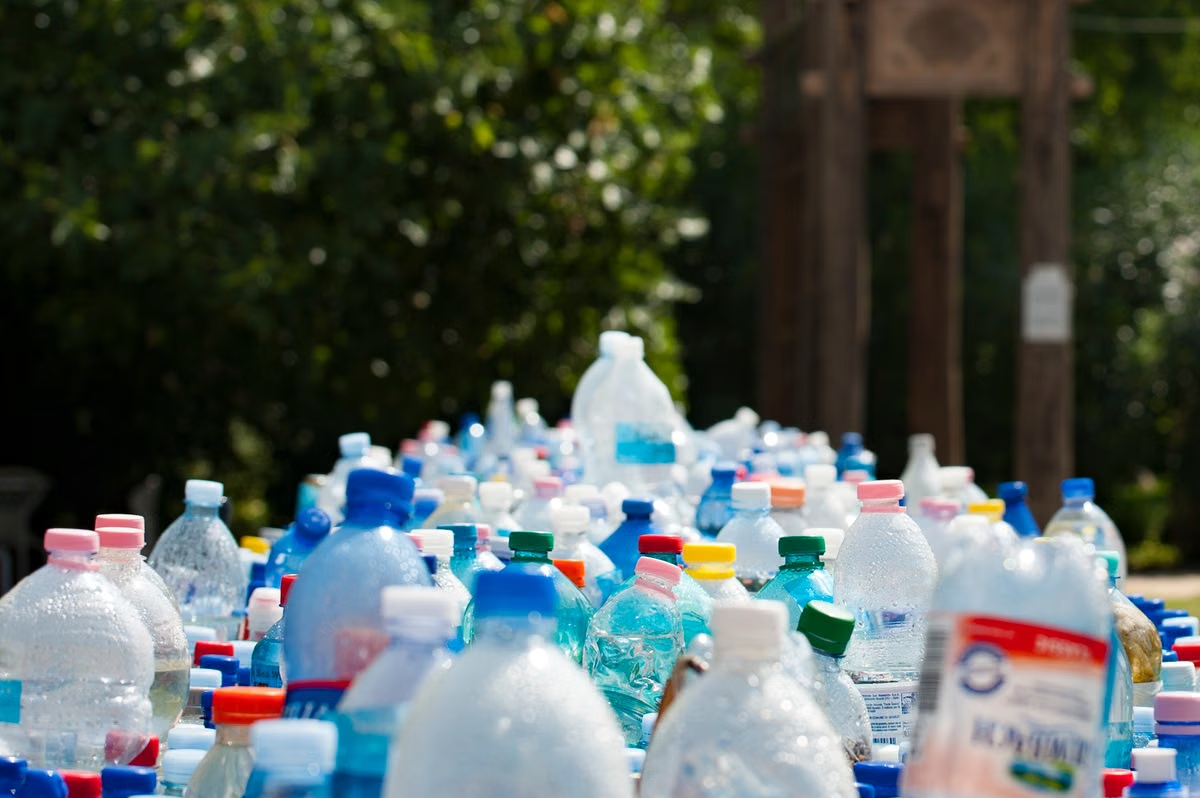
What "eco-friendly" usually leaves out
It's rarely as simple as the label suggests
Most junk removal is landfill by default. Without an actual sorting process, everything hauled tends to go to the same place, regardless of what it actually is.
Recycling rules are genuinely confusing. What's accepted varies by material, by facility, and by city, so most people have no real way to know what happens to their stuff once it leaves the driveway.
Some materials need special handling. Certain items shouldn't go in a regular load at all, and figuring that out yourself is its own research project.
It's hard to know if "eco-friendly" claims actually mean anything. A lot of companies use the right words without an actual sorting process behind them.
What changes
What an actual sorting process gives you
Sorting happens before disposal, not after
Metal, e-waste, and recyclable material separated out as standard practice, not an afterthought.
Materials go where they're actually supposed to
Routed to appropriate recycling facilities instead of one landfill-bound load.
Hazardous items handled by the right partners
Rather than mixed in with general debris and hoped for the best.
A smaller footprint without extra effort on your end
The sorting happens on our side, not something you have to research or manage yourself.
What actually happens to it
What's recycled, and what needs special handling
Typically recycled
- Metal and appliances
- Electronics and e-waste
- Cardboard and paper, in bulk loads
- Certain plastics
Requires special handling
- Paint and chemicals
- Batteries in bulk
- Refrigerants, handled separately per appliance
- Asbestos or other hazardous building material
These fall outside standard scope, ask and we can advise on proper disposal options.
Who this is for
For anyone who cares where it actually ends up
- Anyone who wants their junk removal actually handled responsibly
- Businesses with sustainability or ESG commitments to uphold
- Property managers clearing units with mixed material types
- Anyone disposing of electronics, metal, or appliances specifically
- People who've held off on a cleanout over where things might end up
Common questions
Recycling and eco-friendly disposal, answered
Is recycling really part of every job, or do I need to request it?
It's standard sorting practice on every job, not an add-on you need to ask for.
What happens to metal and appliances specifically?
Routed to metal recyclers rather than general disposal wherever possible.
Do you handle hazardous materials like paint or chemicals?
No, that falls outside standard scope. Ask and we can advise on proper disposal options for those specifically.
Does eco-friendly disposal cost more?
No, sorting is part of the standard process at no added cost.
How do you decide what's recyclable versus donatable versus disposed?
Condition and material determine the path. Usable items go to donation first, recyclable materials are routed accordingly, and only what's genuinely left goes to disposal.
Let's clear it out
Upfront pricing, no hidden fees. Most jobs booked same day or next day.
Request a quote