Commercial
Light demolition, cleared and hauled in the same visit
Interior walls, flooring, and fixtures torn out and removed as part of a renovation or fit-out, without bringing in a separate demolition contractor.
Teardown & haul, one crew
No separate demo contractor needed
Fully insured crews
Certificate of insurance on request
Per-project pricing
Confirmed after a scope walkthrough
What it is
What light demolition actually covers
Light demolition covers the interior teardown work that comes before a renovation or fit-out, non-structural walls, flooring, ceiling tile, fixtures, and cabinetry, removed and hauled away in the same visit. It's not structural or load-bearing demolition, and it's not a permit-heavy teardown, it's the interior work that clears a space down to a usable shell so a contractor's real build-out can start on schedule.
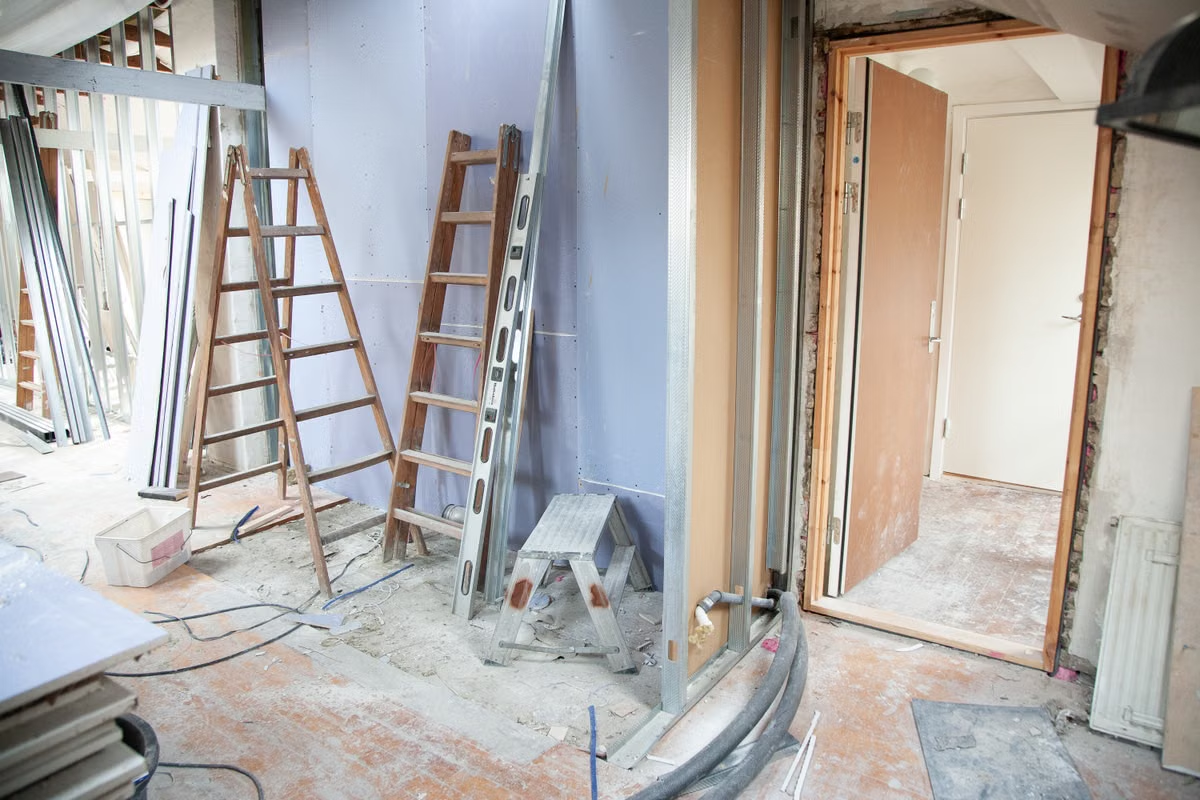
What a teardown phase actually involves
It's rarely as contained as it sounds
It's easy to underestimate what "light" actually involves. Interior teardown generates more debris, dust, and labor than most renovation timelines account for, a few walls and some flooring add up fast once they're actually coming out.
Coordinating a separate demo contractor adds a step nobody planned for. One company tears out, another hauls away, and suddenly a renovation timeline has two more handoffs and two more chances for a delay.
Debris left behind stalls the build-out that's actually supposed to happen. A contractor can't frame or finish a space that's still full of torn-out material, so a slow teardown becomes a slow project.
Scope creep is easy to run into without a clear boundary. What starts as removing a few walls can turn into more than expected once the actual condition behind them is visible.
What changes with one team handling teardown and haul: no separate demo crew to coordinate, debris cleared the same day so the next phase isn't waiting on cleanup, a scope agreed upfront so there's no surprise expansion mid-job, and a single point of contact for the whole teardown phase of an already busy renovation timeline.
Scope of work
What's included, and what isn't
Clear boundaries upfront, so there's no confusion once work is underway.
Included
- Non-load-bearing interior walls
- Flooring and ceiling tile
- Cabinetry and fixtures
- Drywall and non-structural framing
- Debris haul-away, same visit
Not included
- Structural or load-bearing walls
- Permit-required demolition
- Asbestos or hazardous material abatement
- Electrical or plumbing disconnection
How it works
Four steps, ahead of your build-out
Scope walkthrough
Confirm exactly what's coming out, and what needs a licensed trade first.
Scheduled around your build-out
Timed to fit ahead of your contractor's next phase.
Teardown & haul
Interior elements removed and hauled away in the same visit.
Shell handoff
Space confirmed ready for the next phase of construction.
Who this is for
Built for the phase before the real build-out
- General contractors needing interior teardown before a build-out
- Business owners renovating a leased commercial space
- Property owners prepping a unit for a new tenant's fit-out
- Retailers and restaurants gutting a space before a rebuild
- Anyone needing non-structural walls, flooring, or fixtures removed
Common questions
Light demolition, answered
What counts as "light" demolition?
Non-structural interior elements, walls that aren't load-bearing, flooring, ceiling tile, fixtures, and cabinetry.
Do you handle structural or load-bearing walls?
No, that requires a licensed structural contractor and permits. We handle non-structural interior teardown only.
Do you pull permits?
Light demolition of non-structural elements typically doesn't require a permit, but requirements vary by city. Confirming with your local building department is on you or your contractor.
Is debris hauled away the same day?
Yes, teardown and haul away happen in the same visit, not as two separate trips.
Do you disconnect electrical or plumbing before demo?
No, that needs to be handled by a licensed electrician or plumber beforehand. We coordinate around that work rather than performing it.
Let's clear it out
Upfront pricing, no hidden fees. Most jobs booked same day or next day.
Request a quote